Hourly weather model at the summit · weather, seasons & the noon call · checked MST
The Observatory's Own Programs · On Tohono O'odham Nation Land · Free Cancellation
Kitt Peak Tours
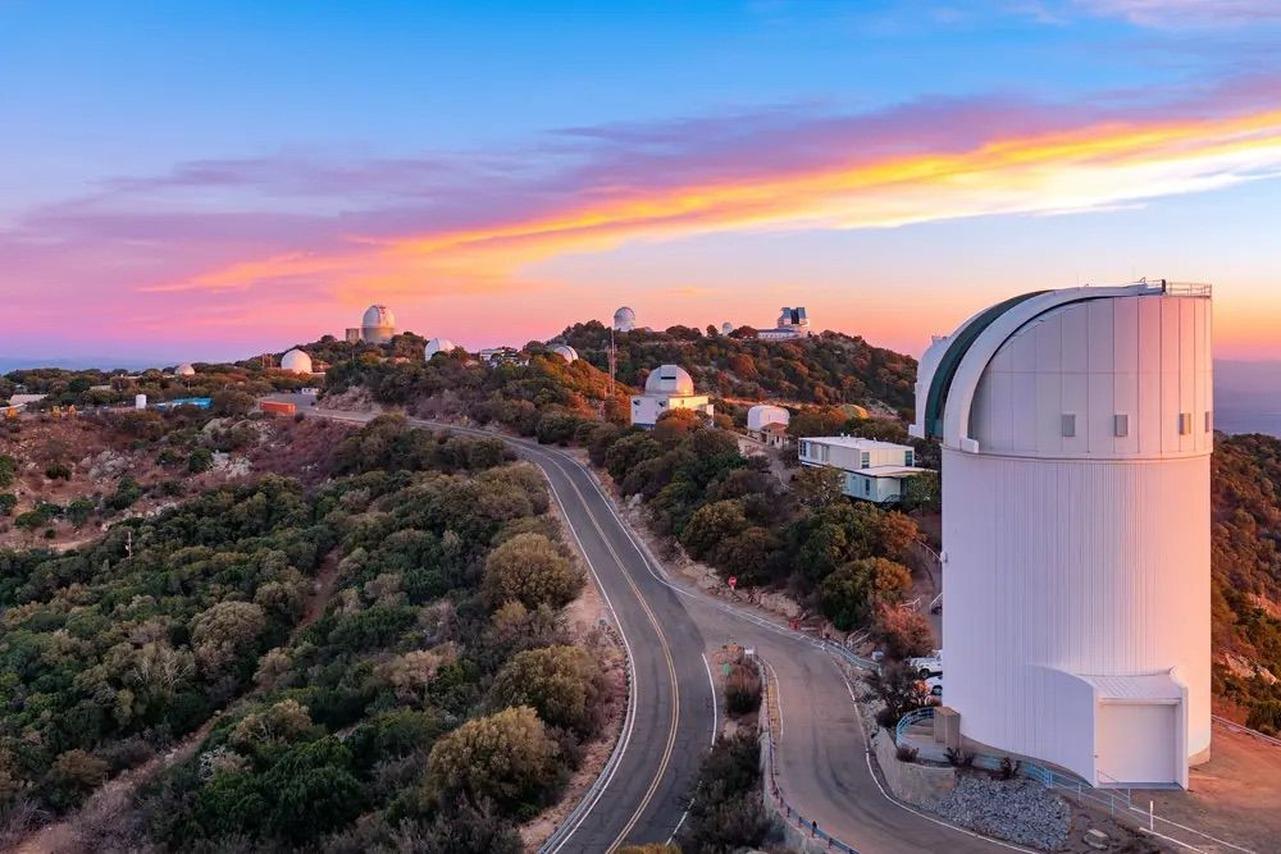
A working national observatory at 6,880 feet, and the programs are its own: the Nightly Observing Program at $79 with telescope viewing and a light meal, daytime tours from $25, admission $15. Two honest rules first: after 4:00 pm the mountain is program guests only, and the sky decides — the verdict bar above reads it live.
- 20+ Research Telescopes on the Summit
- Guided Evening Program at the Summit
- Free Cancellation
The Experience
What the Program Includes
From the observatory's listing — the flagship nightly program.
Highlights
- Learn to identify stars and constellations with expert guidance
- Enjoy a light meal and explore astronomy exhibits at the Visitor Center
- Observe celestial objects through high-powered binoculars and a telescope
What's Included
- Entry to Kitt Peak National Observatory
- Docent-led night sky program
- Use of high-powered binoculars
- Telescope viewing session
- Light meal (turkey, vegetarian, or gluten-free sandwich)
How a Kitt Peak Night Works
Four steps from booking to the eyepiece.
Check the Sky, Then Book
The verdict bar reads the summit's cloud cover live, and the observatory itself confirms each night's program at noon. Free cancellation covers the rest.
Drive Up in Daylight
AZ-86 west (passport if you're visiting from abroad — there's a Border Patrol checkpoint), then the 12-mile climb up AZ-386. Own vehicle required; no fuel on the mountain.
Dinner at 6,880 Feet
The dinner programs open with a light meal and the exhibits — book before 1:30 pm on the day if you want the meal included.
The Eyepiece
Docent-led viewing through the Visitor Center's telescopes under some of the darkest accessible sky in the United States — strict lighting control, real astronomy.
Photo Gallery
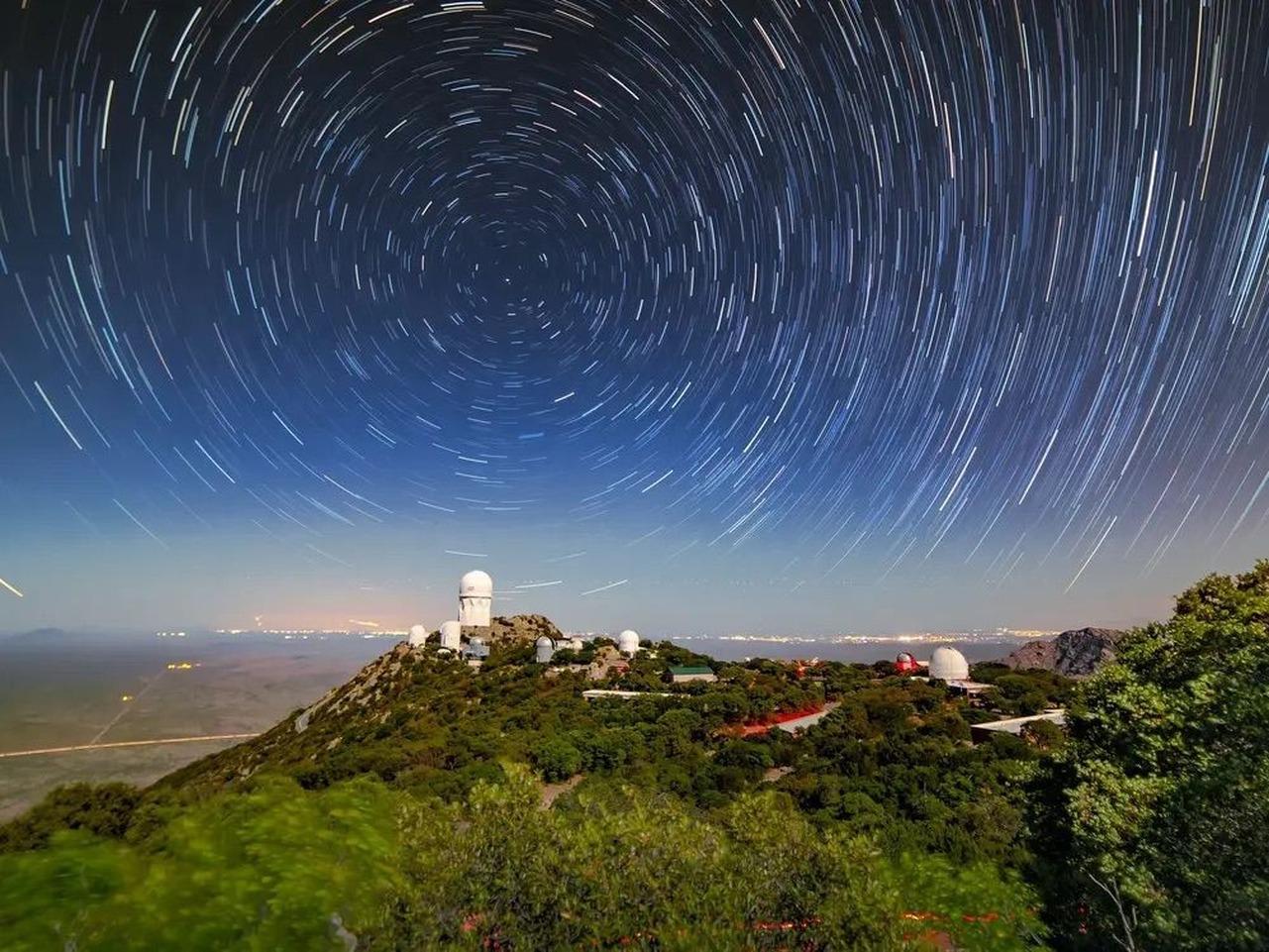
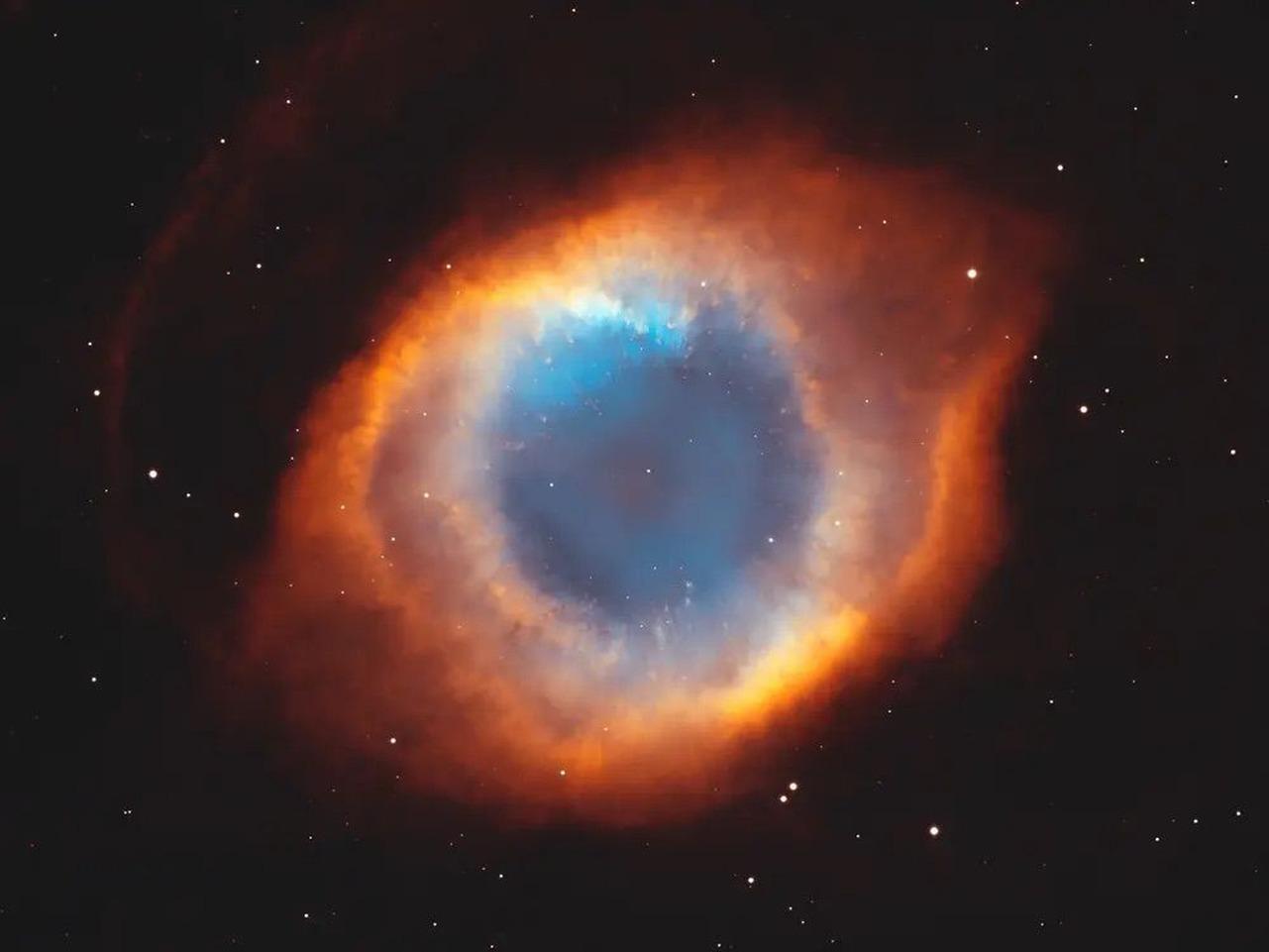
The Summit After Dark
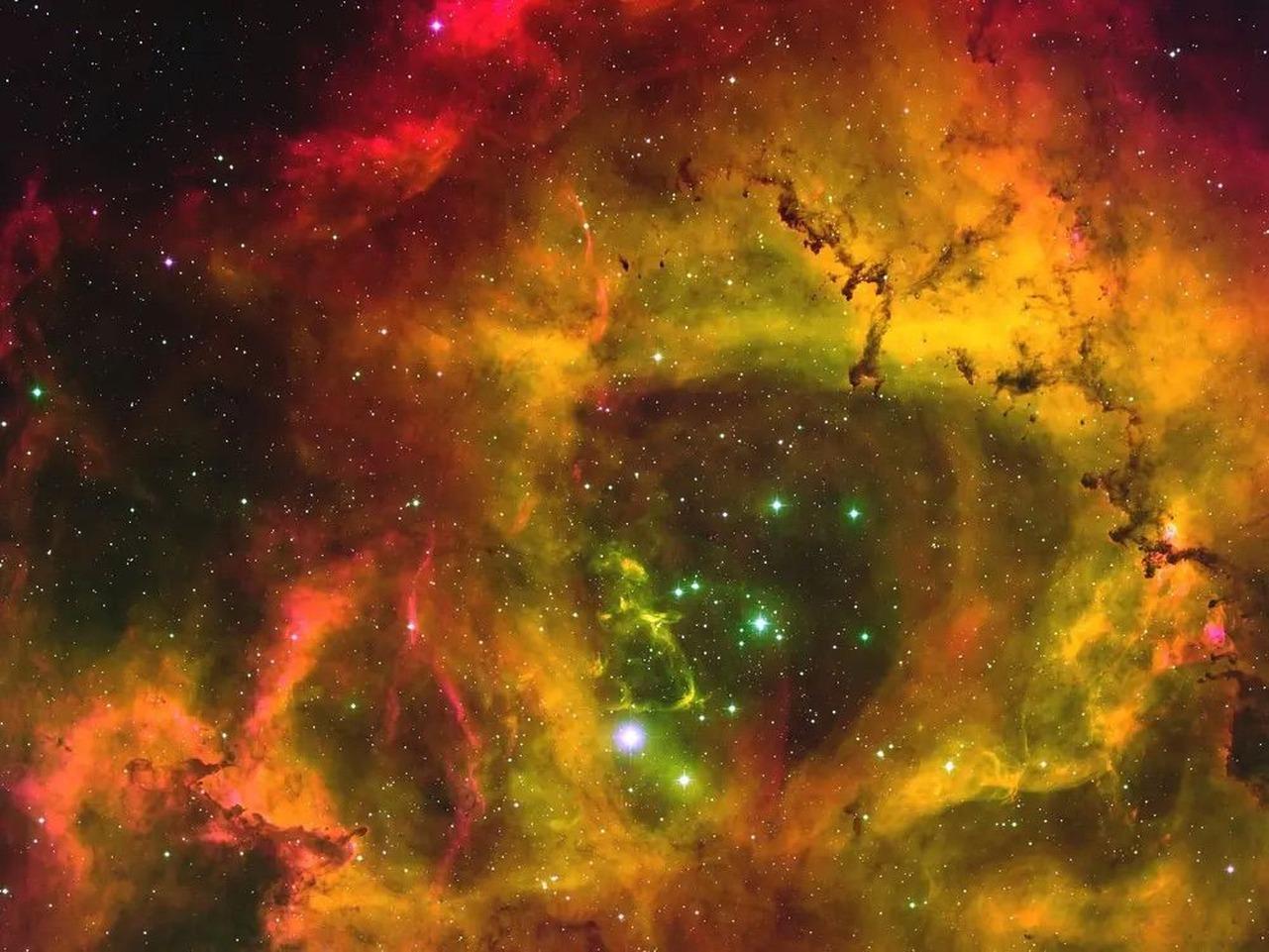
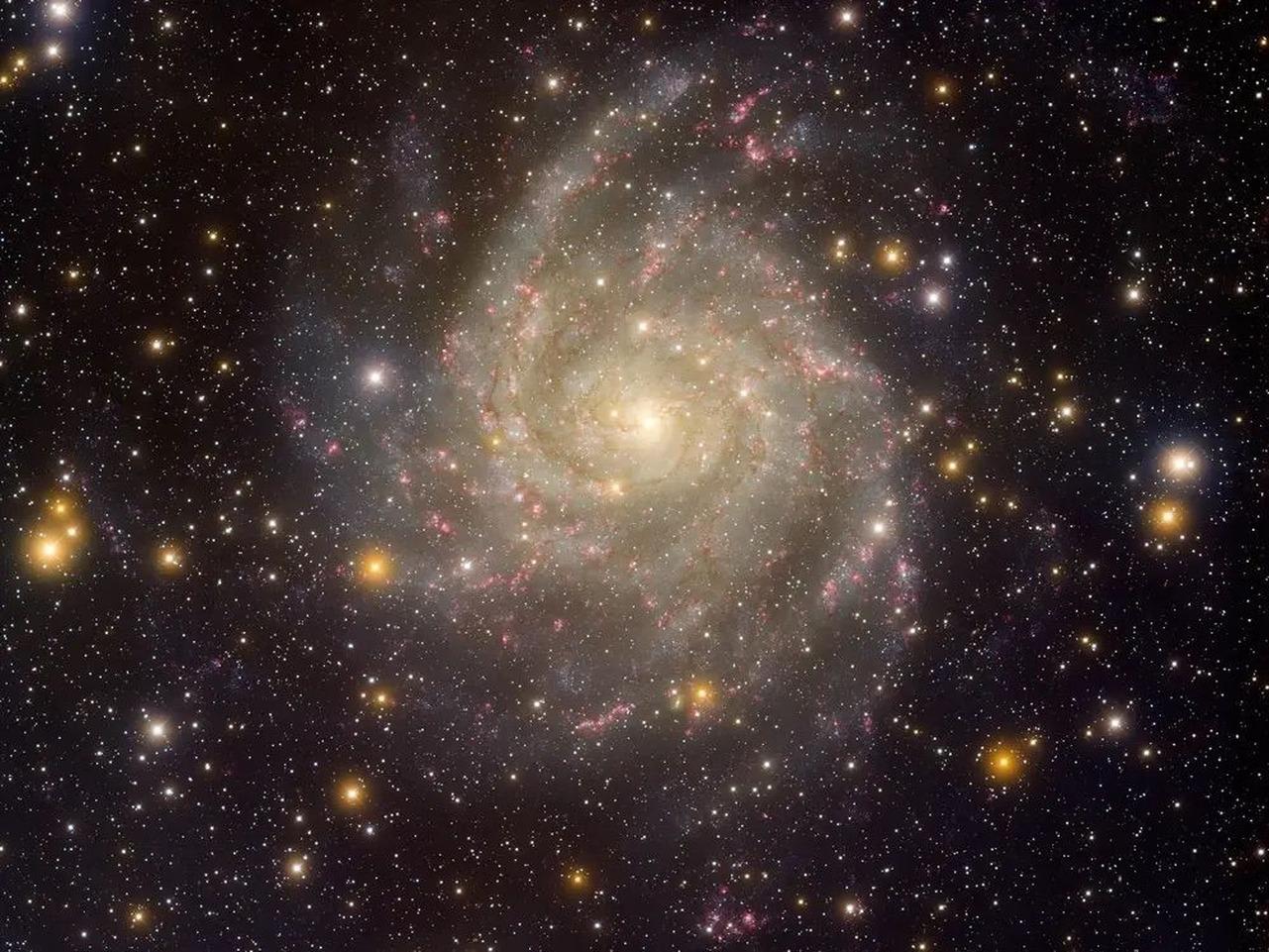
The telescope domes, the desert sky, and the programs that put you behind the eyepiece.

Book Your Experience
Check Availability & Prices
Select your preferred date and time. Instant confirmation — free cancellation up to 24 hours before departure.
Night Program, Daytime Tour, or Just the Visitor Center
Three honest ways up the mountain — all three are the observatory's own programs, resold here at the same job: pick the right one. After 4:00 pm the summit is night-program guests only.
| Feature | OFFICIAL PROGRAM · RUNS NIGHTLY Book a night program | Daytime guided tour | Visitor Center admission |
|---|---|---|---|
| Price | Nightly Observing Program $79 · Dark Sky Discovery $109 · Astro 101 $59 — free cancellation to 24h | $25 · 1-hour docent-led · under-13s free on the combo tour | $15 · exhibits and the science center, self-guided |
| What you get | Telescope and binocular viewing after dark with a docent, light meal included on the dinner programs | Inside one of the working research telescopes, in daylight | The Visitor Center and exhibits — no guided tour, no telescope viewing |
| After 4:00 pm | This is the only way to be on the mountain after 4:00 pm | Daytime only — tours end before the summit closes | Daytime only — the Visitor Center closes at 4:00 pm |
| Best for | The reason Kitt Peak exists: some of the darkest accessible sky in the United States | Families (under-8s can't join night programs), summer heat-escapers — it's 15–20°F cooler up there | Road-trippers adding the summit drive to a Sonoran desert day |
| Check Availability | Book the Day Tour | Book Admission |
The observatory's program menu
Dark Sky, Daytime, Binoculars and the Moon
Every program below is operated by Kitt Peak National Observatory itself — premium dark-sky nights, the family daytime tour, the budget binocular night and the full-moon special. Free cancellation on all.
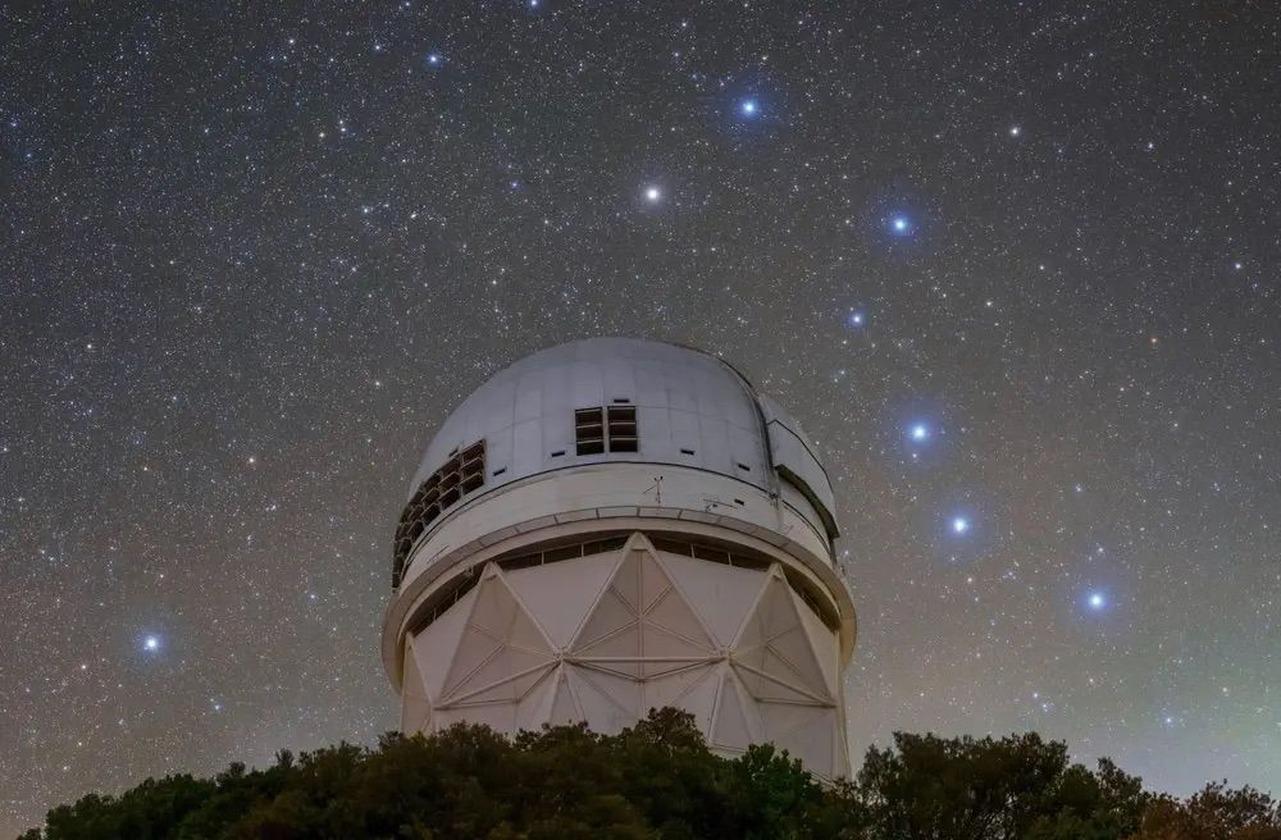 PREMIUM DARK SKY
Tucson: Kitt Peak Dark Sky Discovery (DSD) Night Program - 2026 (Verified Reviews)
Discover the wonders of the night sky at Kitt Peak National Observatory, home to the largest collection of astronomical instruments in the Northern Hemisphere. Your …
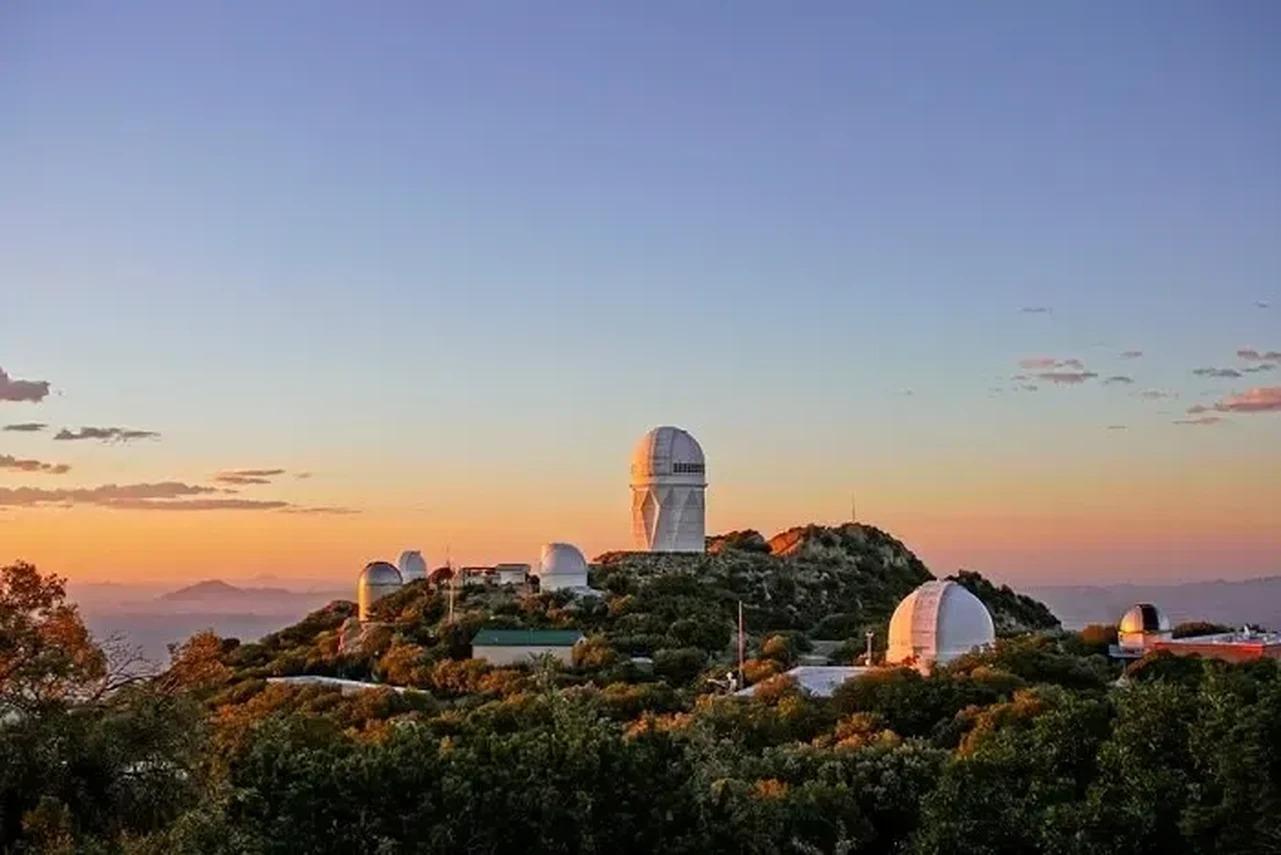 DAYTIME · UNDER-13s FREE
Tucson: Kitt Peak Daytime Guided Observatory Tours - 2026 (Verified Reviews)
Experience the wonders of the universe from the summit of Kitt Peak, just outside Tucson, where daylight hours reveal a world of astronomical discovery. With a range …
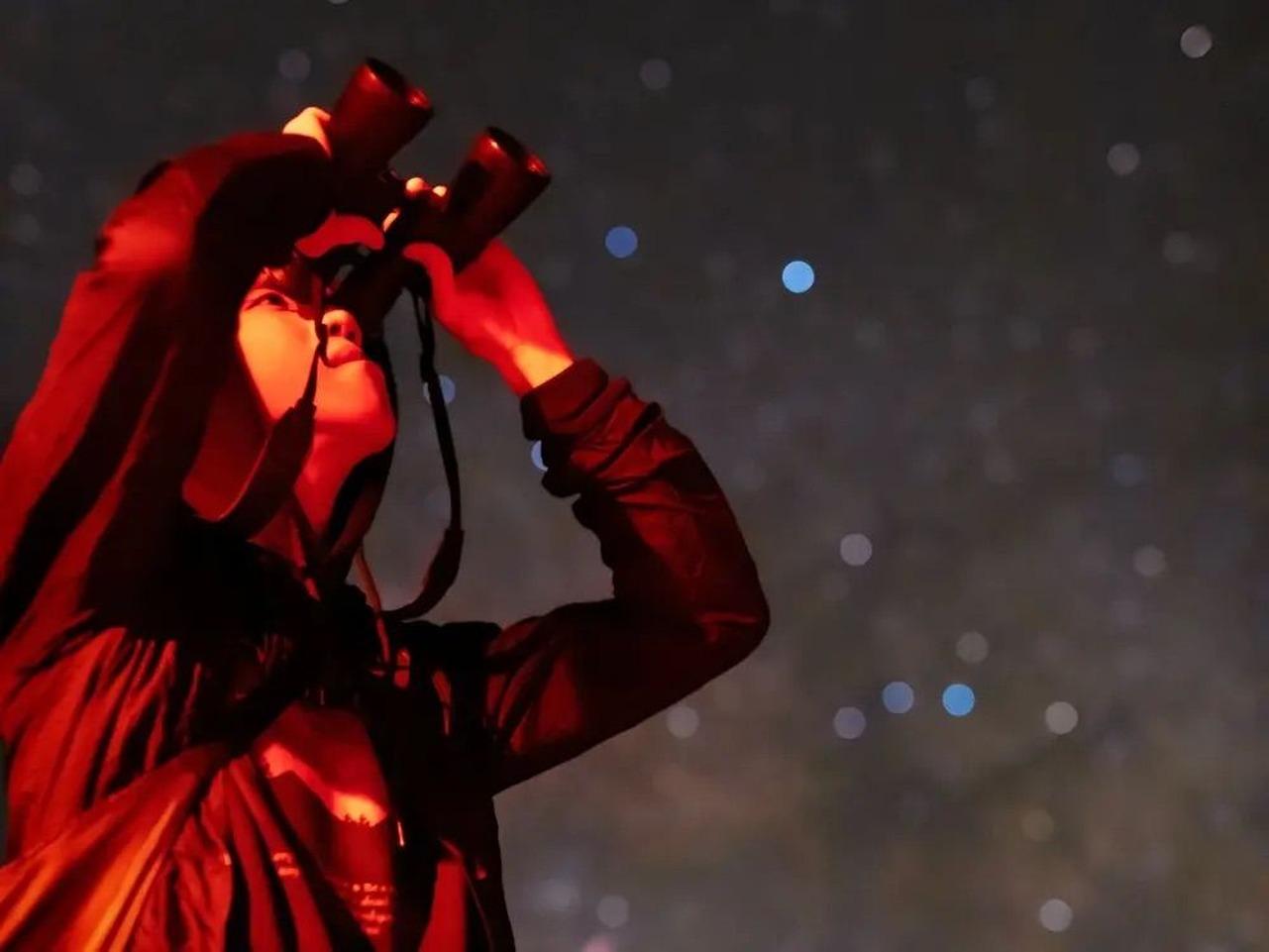 BINOCULAR NIGHT
Tucson: Kitt Peak Astro 101 Night Sky Binocular Tour - 2026 (Verified Reviews)
Embark on an accessible introduction to astronomy at Kitt Peak National Observatory, perched nearly 7,000 feet above the Arizona desert. Your Astro 101 experience …
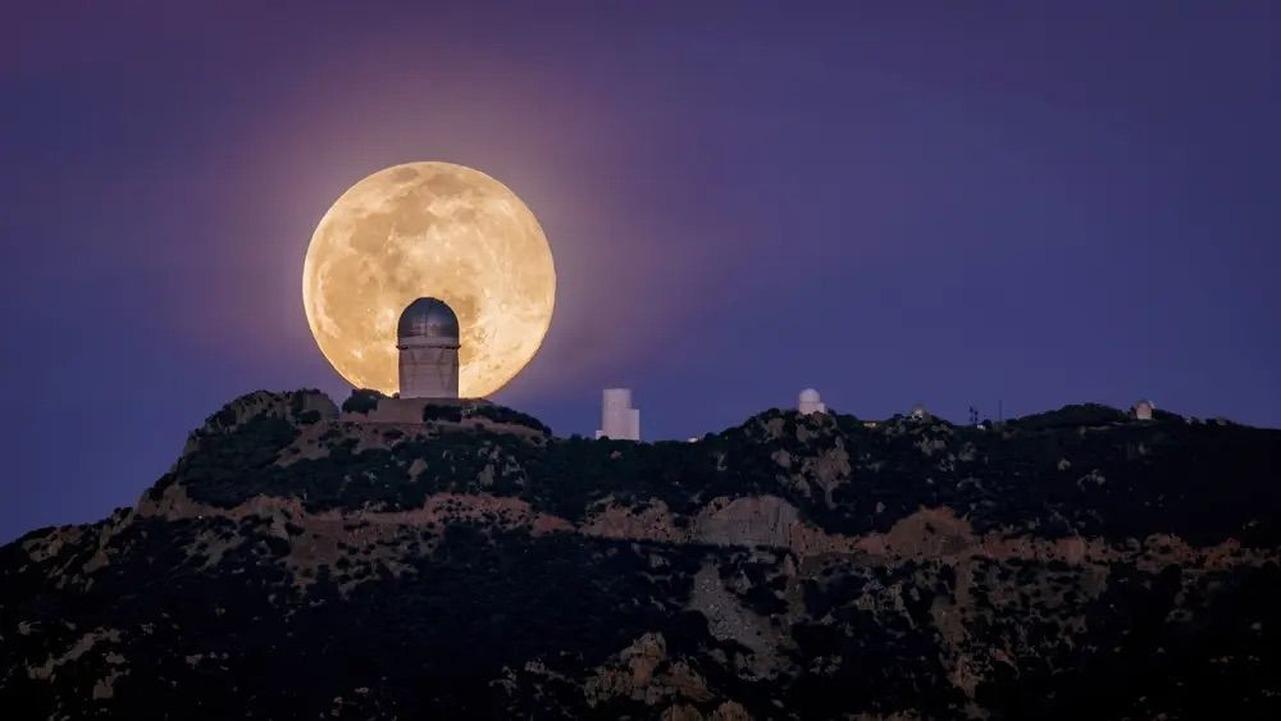 FULL-MOON NIGHTS
Tucson: Kitt Peak Magnificent Moon (MM) Program - 2026 (Verified Reviews)
Begin your tour with a stop at the Visitor Center, where you'll examine the exhibits that describe this national observatory and other interesting topics. Enjoy a …
Two honest rules organise a visit to the mountain with the biggest concentration of research telescopes in the northern hemisphere’s astronomy country. Rule one: after 4:00 pm, Kitt Peak belongs to night-program guests only — there is no turning up after dinner to look at stars; the booked program IS the access. Rule two: the sky decides — the observatory checks the weather and confirms each night’s program at noon, and the verdict bar above reads the summit’s cloud cover live.
Everything bookable here is the observatory’s own: the activity provider on every listing is Kitt Peak National Observatory itself, from $15 Visitor Center admission to the $79 Nightly Observing Program with its light meal and telescope time. The night programs compared, the daytime tour that takes children free, the drive and the Border Patrol checkpoint, and what 6,880 feet does to a desert evening. A mountain leased from the Tohono O’odham Nation since 1958 — whose people knew it as Ioligam — deserves a guide this direct.
Book a Kitt Peak Night
The observatory's own Nightly Observing Program — $79 with a light meal, telescope viewing and free cancellation to 24 hours. Checked and confirmed by the observatory at noon on the day. Starting from $79 per person.
Check AvailabilityCan't Make These Dates?
Browse More Available Options
Find a tour that fits your schedule — all with instant confirmation and free cancellation.
Kitt Peak — Frequently Asked Questions
Whether you can visit, the after-4-pm rule, the checkpoint on AZ-86, what each program costs, and what to wear at 6,880 feet.
Yes — seven days a week. The Visitor Center is open 9:00 am to 4:00 pm daily, daytime guided tours run all week, and the observatory's own night programs run nightly, year-round. The one hard rule: after 4:00 pm, only guests registered for a night program may be on the mountain. How each option works: the visiting guide.
For the night sky, few places in North America compete: a working national observatory at 6,880 feet on Tohono O'odham Nation land, with more than 20 research telescopes on the summit and public programs run by the observatory itself from $59. The honest caveats — the 90-minute drive, the weather call, what daytime does and doesn't include — are in the worth-it guide.
Only on a booked night program — after 4:00 pm the mountain is closed to everyone else, and the programs are the product: the Nightly Observing Program ($79, runs nightly with a light meal), the premium Dark Sky Discovery ($109), the binocular-led Astro 101 ($59), and Magnificent Moon on bright-moon nights ($109). Which suits whom: the night-program chooser.
Visitor Center admission $15; the 1-hour daytime guided tour $25 (children under 13 free on the combo tour); night programs from $59 for Astro 101 to $109 for Dark Sky Discovery, with the flagship Nightly Observing Program at $79 — all bookable with free cancellation to 24 hours, all operated by the observatory itself.
Yes — a paved 12-mile mountain road (Arizona State Route 386) climbs from the desert floor to the summit; the meeting point for programs is at Mile 12, the observatory entrance. You must arrive in your own vehicle: taxi and rideshare drop-offs are not permitted unless the driver stays on-site, there's no fuel on the mountain, and the signal is weak. The full drive, including the checkpoint: getting to Kitt Peak.
US citizens just need normal ID — but Arizona State Route 86, the highway to the observatory, has a U.S. Border Patrol checkpoint, and the observatory's own advice to visitors from outside the U.S. is to carry passports to avoid difficulties. It's a routine stop; details in the driving guide.
More than twenty — roughly two dozen optical telescopes plus radio telescopes, the largest concentration of research telescopes of any single mountaintop in the northern hemisphere's astronomy heartland. The daytime guided tour takes you inside one of the working research instruments; the night programs put you behind the Visitor Center's own telescopes.
Night programs are not suitable for children under 8 — they run late, cold and dark, under strict lighting control. The family answer is daytime: children under 13 join the daytime guided combo tour free with a paying adult, and the summit runs 15–20°F cooler than Tucson, which makes it a genuine summer-with-kids move. The daytime option: daytime tours.
The observatory makes its own weather call: programs are checked and confirmed at noon on the day, and your booking carries free cancellation to 24 hours — so the working strategy is to watch the sky, book the promising night, and let the cancellation cover a change. Our homepage verdict bar reads the summit's cloud cover live; the fuller picture is in the weather guide.
Layers, always: the summit sits at 6,880 feet and runs 15–20°F cooler than the desert floor, and night programs add wind and post-sunset drop — the observatory's own packing list says warm clothing, jacket, long pants and closed-toe shoes (open-toed shoes aren't allowed on night programs). Summer visitors are the ones caught out; the weather guide has the month-by-month.
It varies by program, so check the one you're booking: the Nightly Observing Program is ADA accessible with elevator access to the observatory level, while Dark Sky Discovery and Magnificent Moon involve distances and stairs and are not — and the daytime tour requires extensive walking between telescopes. Service animals are welcome; pets are not.
No — this is an independent planning and booking guide. Kitt Peak National Observatory is an NSF NOIRLab facility; its own visitor pages and direct booking live at visitkittpeak.org. What we list here are the observatory's own visitor programs as GetYourGuide products — the activity provider on every one is Kitt Peak National Observatory itself — and we earn a commission if you book, at no extra cost to you.
Still have questions? Email us at info@kittpeaktours.com